

How to Play Aviator Game: Guide for Nigerian Players
✈️ Learn to play Aviator game with tips on rules, smart betting, and safe platforms in Nigeria. Boost your chances and enjoy the thrilling gameplay today! ₦
Edited By
Isabella Walton
Aviator glasses have been a staple accessory not just in fashion capitals abroad but increasingly in Nigerian streets and events. Originally designed for pilots to protect their eyes during flights, these glasses combine practical sun protection with a style that has stood the test of time.
The large, teardrop-shaped lenses offer excellent coverage against harsh sunlight—something every Lagosian or Abuja commuter can appreciate during long hours stuck in traffic under the scorching sun. Plus, the thin metal frames keep the glasses lightweight, which is a plus when you’re on the move.
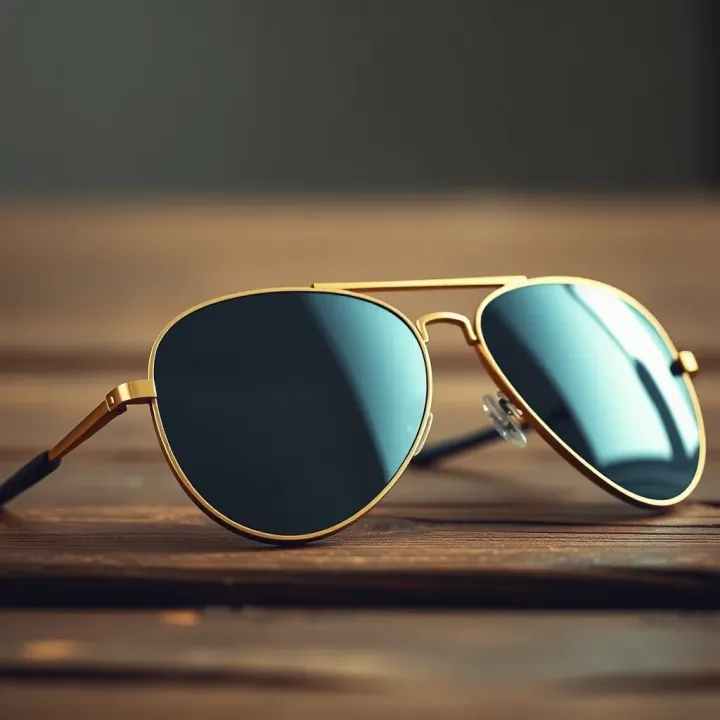
In Nigeria, aviator glasses do more than shield your eyes; they're a fashion statement that cuts across age and social backgrounds. From market traders who pair them with their everyday outfits to tech enthusiasts flaunting them at tech hubs, the look is versatile and accessible. Even young professionals in banks and startups often rock aviators to add a confident edge to their office style.
What sets aviator glasses apart is their blend of functionality and style. Beyond sun protection, many now come with UV protection coating and polarized lenses, reducing glare significantly—ideal for driving okadas or hailing danfos safely.
Remember that choosing the right aviator glasses involves considering lens quality, frame durability, and comfort—factors that ensure longevity and eye health in Nigeria’s unique climate conditions.
Whether you want to shield your eyes from UV rays or add a sharp finish to your look, knowing a bit about aviator glasses’ features and uses puts you in a better position to pick the pair that suits your lifestyle perfectly.
Aviator glasses hold a unique place in both history and fashion. Understanding their origins helps appreciate why they remain popular in Nigeria, especially for people who move around a lot under the hot sun. Originally designed for practical reasons, aviators have grown beyond their function to become a style choice favoured by many Nigerians, from students to market traders.
Aviator glasses first emerged in the 1930s, crafted to protect pilots’ eyes during flight. The vast, open cockpits exposed pilots to glaring sunlight and harsh wind, which could cause eye strain or impair vision. The large, teardrop-shaped lenses were designed to cover the entire eye area and reduce glare effectively. For example, during World War II, the US military issued these glasses to pilots to improve visibility and focus on the mission. This original design made them a symbol of authority and resilience.
Besides aviation, military personnel appreciated aviators for their sturdy frames that handled rough conditions, making the glasses functional gear rather than a mere accessory.
Over time, aviator glasses stepped out of the cockpit and into the streets as a fashion symbol. Nigerian celebrities and public figures adopted the style, blending it with local fashion. Today, aviators signal a blend of sophistication and practicality. They are not just protective eyewear but also a statement piece in Lagos markets, university campuses, and urban nightlife.
Nigerian youths often pair aviators with both traditional agbada or ankara outfits and sharp western wear, proving its versatility. That said, many also appreciate the glasses for their practicality: the shape reduces sun glare while allowing good peripheral vision—vital for navigating busy traffic or outdoor market scenes. Many brands now design special lenses with UV protection tailored for Nigeria’s tropical sun, maintaining the original functional intent.
Aviator glasses blend function and style, making them perfect for Nigerians who want to protect their eyes while keeping a sharp look.
In brief, these glasses started life as military essentials but have evolved into a key piece of everyday fashion in Nigeria. Keeping their original benefits while adapting to local style needs helped aviators earn lasting appeal in Nigeria's bustling, sunlit environments.
Aviator glasses stand out not only because they look cool but because of specific design elements that make them practical, especially in Nigeria’s climate and lifestyle. Understanding these features helps you choose the right pair whether you are navigating Lagos traffic, relaxing at a beach resort, or heading out for a weekend owambe.
The iconic teardrop shape of aviator glasses isn’t just for style; it was designed to cover a larger portion of the eye area, protecting from harsh sunlight and wind. This broad coverage blocks ultraviolet (UV) rays effectively, which is crucial given Nigeria's strong sun, especially during the ember months.
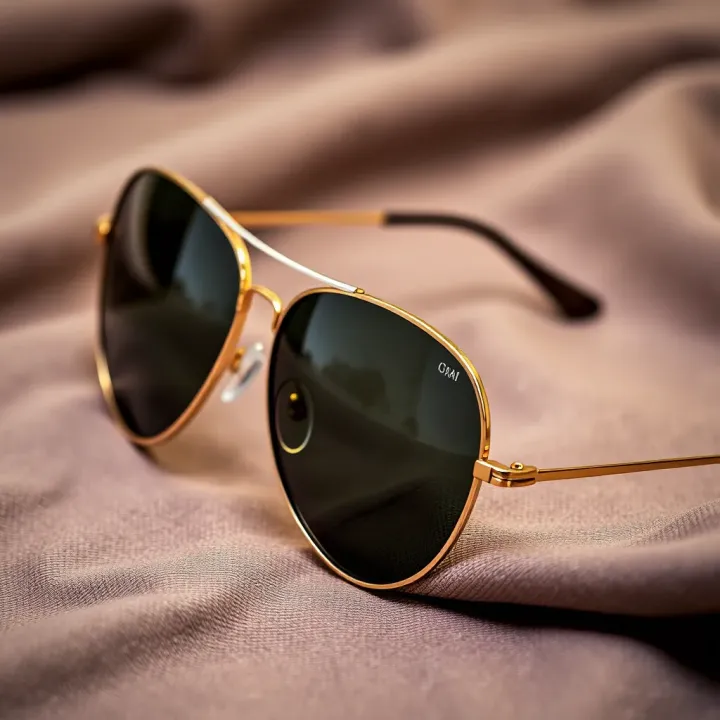
Frames typically come in metal or sometimes lightweight alloys. Metals like stainless steel or titanium are preferred for their durability and rust resistance—important since humidity and sudden rains are common. Plastic or acetate frames exist but usually lack the slim profile and sturdy feel that metal offers. For example, brands like Ray-Ban and Vogue often use titanium for a sleek yet tough frame that won’t bend easily during daily use.
Choosing the right lenses can make all the difference. Polarised lenses are excellent in Nigeria as they reduce glare from reflective surfaces such as wet roads or dusty streets, making driving or walking safer in busy urban areas.
Lens tints tailored for strong sunlight include brown, amber, and grey. Brown and amber tints enhance contrast, making colours pop on bright days, which can help when negotiating traffic or looking for details in outdoor markets. Grey tints provide true colour perception and are often preferred for everyday wear.
Photochromic lenses, which darken automatically in sunlight, can be a great option for those who move frequently between indoor and outdoor settings, such as market traders or students.
Because most Nigerians spend hours outside or in transit, comfort should not be overlooked. Aviator glasses with adjustable nose pads offer a personalised fit, which helps prevent slipping and discomfort after long wear, especially with heat and sweat.
Look for lightweight frame materials to reduce pressure on your nose and ears. Rubber or silicon temple tips add grip, key for active lifestyles involving okada rides or crowded danfo commutes.
A good fit should also account for face shape diversity. While aviators suit many Nigerians, trying different sizes ensures the glasses don’t overshadow your features or jut out awkwardly.
Proper design choices in shape, lens, and comfort not only boost your style but protect your eyes and maintain comfort under Nigeria's intense sun and busy daily routines.
This insight into key design features is useful for anyone considering aviator glasses that blend style with the realities of Nigerian life.
Knowing the popular styles and brands of aviator glasses in Nigeria helps you pick the right pair that balances fashion and function. With the intense Nigerian sun and traffic dust, understanding your options matters not just for style but for comfort and eye protection.
Classic aviators stick to the iconic teardrop shape with thin metal frames, often in gold or silver finishes. This timeless design feels familiar and blends well with traditional Nigerian attire as well as everyday urban dressing. On the other hand, modern aviators play with frame thickness, colour, and lens technology. Some versions sport bold, coloured lenses like mirrored green or gradient brown, suiting youthful and trendy looks seen in Lagos or Abuja nightlife. For example, modern aviators with polarized lenses add glare reduction, ideal for driving danfos or riding okadas through busy streets.
Several brands have made aviator glasses accessible to Nigerian consumers. International names like Ray-Ban remain top choices, especially for those seeking authentic quality and classic design. Ray-Ban's range includes various lens tints tailored to sunny climates, which Nigerian buyers appreciate. Locally, brands like Ossy, a Lagos-based eyewear company, offer stylish aviator-inspired frames designed with local climate and preferences in mind, often at competitive prices. Other lesser-known outlets also stock global brands such as Oakley and Gucci, but these tend to be pricier and less widespread.
Tokunbo aviator glasses, meaning imported second-hand or used pairs, are popular in Nigerian markets due to affordability. You can find tokunbo aviators at places like Lagos’s Yaba Market or Kano’s Kurmi Market for ₦2,000 to ₦7,000. These sometimes come with quality variability, so inspecting the frame and lens condition is essential to avoid glare or discomfort. Meanwhile, premium new aviators from reputable stores range from ₦15,000 to ₦70,000 depending on brand and lens technology. For those who spend much time outdoors, investing in good anti-reflective and UV-protected lenses pays off.
Whether you choose classic or modern styles, local or imported brands, your priority should be eyecare alongside style. Nigerian conditions demand aviators that handle intense sunlight and dusty roads, so weigh quality with price before buying.
In summary, Nigerian consumers enjoy a broad aviator glasses selection. From timeless classics to flashy, contemporary designs, and from affordable tokunbo markets to upscale shops, there’s a pair to suit every budget and lifestyle. Understanding these variations ensures you pick aviators that suit your look, your needs, and your environment.
Integrating aviator glasses into Nigerian fashion means blending tradition with modern flair. These glasses do more than shield your eyes from harsh sunlight; they add a sophisticated edge that fits various Nigerian settings, from bustling Lagos streets to formal events in Abuja. Understanding how to match aviators with local clothing styles and occasions makes the accessory practical and stylish.
Aviator glasses offer versatility when pairing with Nigerian outfits. For instance, they complement agbada or ankara ensembles by contrasting the rich, colourful fabrics with their sleek metallic frames. Young professionals often combine aviators with tailored suits or smart-casual wears like chinos and a crisp shirt, giving a sharp yet relaxed look. Meanwhile, market traders and students can pair aviators with casual streetwear or kaftans to blend comfort with style without seeming overdone. The right pair of aviators balances well with gele or fila headgear — enhancing the overall appearance without overpowering it.
Choosing aviator glasses also depends on occasion and climate. During ember months, when the sun blazes but dust settles on roads, polarised lenses are practical for reducing glare and eye strain, especially for okada riders or drivers of danfos. At formal occasions such as weddings or send-forths, aviators with gold or silver frames add a touch of elegance, matching aso ebi colours and jewellery. In rainy seasons, lighter tints work best to avoid dimming vision. Seasonal shifts also affect frame material choices; lightweight titanium frames are preferred in hotter periods for comfort. Having different aviator pairs for casual everyday use and formal outings ensures you fit in anywhere with confidence.
Celebrities and musicians in Nigeria have played a big role in pushing aviator glasses into mainstream style. Stars like Burna Boy and Tiwa Savage frequently wear aviators in music videos and public appearances, influencing fans and younger Nigerians. Nollywood actors also contribute by sporting aviators in films and award events, making the accessory a sign of coolness and success. Social media influencers showcase how to pair aviators with both street style and refined looks. This popularity feeds into a rising trend where aviators are not just functional but a statement piece, inspiring many to upgrade their wardrobes accordingly.
Aviator glasses have moved beyond mere eyewear; they express identity, status, and practicality in Nigeria’s diverse fashion scene.
Whether you step out for a casual market run or an owambe party, aviator glasses blend well with Nigerian style — respecting tradition while embracing modernity.
Selecting and looking after aviator glasses properly matters a lot, especially in Nigeria’s unique environment where heat, dust, and urban challenges can take a toll on your eyewear. Knowing how to pick the right pair and keep it in good shape ensures your glasses last longer, protect your eyes effectively, and complement your style well.
Start by considering your face shape and personal style. Aviator glasses generally suit heart-shaped, oval, and square faces, but the frame size should not overwhelm your features. For example, a student who spends hours outdoors under Lagos sun might prioritise polarized lenses to reduce glare from danfo windows and shiny road surfaces. Value for money also counts — it’s better to invest in recognised brands, whether it is Ray-Ban or a reputable local retailer, as these tend to offer better UV protection and durability.
Look out for lens coatings like anti-reflective and scratch resistance, especially if you commute on okadas frequently. Frames should be lightweight metals such as titanium or stainless steel to withstand heat and daily use without rusting. Adjustable nose pads and temple arms improve comfort during long wear, plus prevent slips when sweating.
Nigeria’s climate demands conscious care for your aviators. Clean your glasses every day with a microfiber cloth to avoid scratching lenses from dust particles common in cities like Kano or Abuja. Avoid using your shirt or paper as they might worsen lens damage.
Store your glasses in a hard case when not in use to protect against knocks, especially during ember months when travel and outdoor activities increase. Exposure to direct sunlight for long hours can weaken frame joints and fade lens tints, so avoid leaving them on dashboards or window sills.
If dust builds up inside frame crevices, gently rinse with clean water and dry completely to prevent corrosion. Regularly check screws and hinges, tightening if necessary, to extend their lifespan.
Finding authentic aviator glasses requires shopping at trusted outlets. Renowned optical shops in Lagos Island, Ikeja, or Victoria Island offer certified brands and guarantee genuine products. Online stores with good reviews and verified sellers also serve as convenient options but ask for detailed product descriptions and return policies.
Avoid street markets where counterfeits are common despite the tempting low prices. Websites of brands like Ray-Ban Nigeria provide store locators that help pinpoint official outlets.
Protecting your eyes while looking stylish needs more than just buying any aviator glasses. Being selective and taking care of your eyewear ensures long-lasting performance and a sharp look, especially under Nigeria’s sun and dust.
✈️ Learn to play Aviator game with tips on rules, smart betting, and safe platforms in Nigeria. Boost your chances and enjoy the thrilling gameplay today! ₦

Explore the ilotbet Aviator app in Nigeria ✈️, from how to access it and key features to payment options and safety tips tailored for local internet and regulations 📱💡

Learn how to register on iLotBet effortlessly 🇳🇬. Follow clear steps, meet all requirements, avoid common hurdles, and start betting safely today ⚽💰.

Join ilotbet Nigeria safely with our step-by-step guide 🎰✅ covering age limits, verification tips, and how to avoid common registration issues for a smooth start.
Based on 15 reviews