

Ilotbet Free Tips Today for Winning Sports Bets
Get daily free tips from Ilotbet 📊 to boost your sports betting success in Nigeria 🇳🇬. Learn how to read analyses, avoid mistakes, and bet responsibly 💡⚽.
Edited By
Fiona Clarke
Old Ilotbet Mobile 2013 was among the first Nigerian betting platforms designed specifically for mobile devices. At a time when smartphones were just gaining ground in Nigeria, Ilotbet capitalised on the growing mobile network coverage and the rising appetite for sports betting, especially football.
The platform stood out for its simplicity and accessibility. Unlike today’s sleek betting apps like Bet9ja or NairaBet, Ilotbet Mobile 2013 focused on a lightweight interface that could run smoothly even on basic phones with limited internet speed. This made it popular beyond Lagos or Abuja, reaching smaller towns where high-end smartphones or fast data bundles were rare.
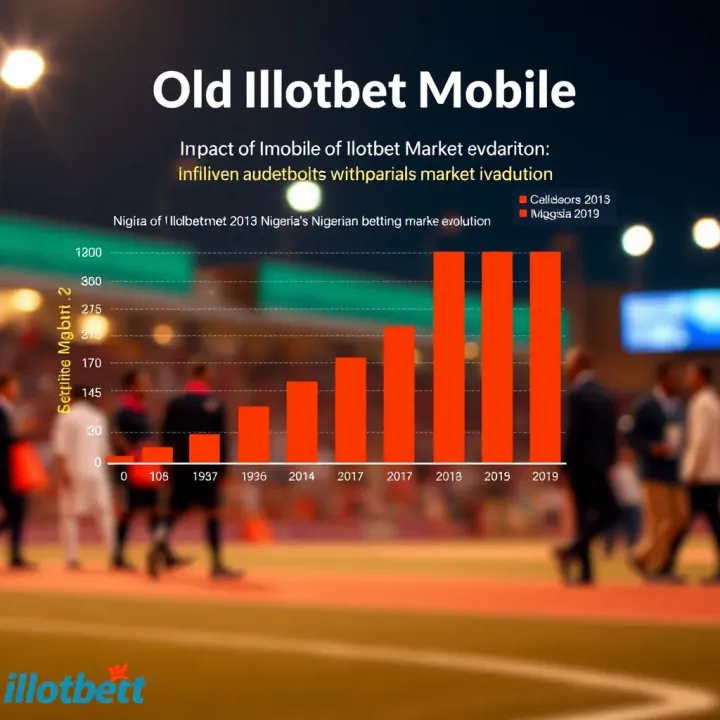
Beyond mobile optimisation, Ilotbet offered users several interesting features for that period:
Live score updates to keep bettors informed without needing to refresh the browser repeatedly
Competitive odds on local and international football matches
Easy registration requiring only basic personal details, which attracted many first-time bettors
However, Ilotbet Mobile 2013 operated more like a mobile-friendly website than a dedicated app. Users accessed it via mobile browsers using GPRS or early 3G data, which sometimes compromised speed but kept data costs low — a key concern for many Nigerians then.
Despite the technical limits of 2013, Ilotbet paved the way for how betting platforms treat mobile users today, prioritising convenience and affordability.
The platform’s history highlights Nigeria’s unique market demands during the early 2010s. Limited smartphone penetration, patchy internet, and young demographics shaped Ilotbet’s approach to user experience.
That said, as mobile technology evolved rapidly, platforms that failed to keep pace with app-based innovations and richer user interfaces lost ground. Ilotbet’s decline serves as a reminder to Nigerian tech startups: adapting quickly to shifting consumer habits is essential to staying relevant.
Understanding the features and strategies behind Old Ilotbet Mobile 2013 helps clarify how Nigeria’s sports betting scene matured and why today’s platforms are structured the way they are.
Looking at Ilotbet Mobile in 2013 gives us a snapshot of Nigeria’s early steps into mobile sports betting. This section explains what made Ilotbet significant then and how it connected with Nigerian users. Back in those days, smartphone penetration was lower, but mobile betting was gathering steam, driven by simple tech and widespread mobile use.
Ilotbet started as a platform focusing on sports betting, especially football, which resonates deeply with Nigerian sports fans. The platform worked to bridge the gap between traditional betting shops and the rising mobile market. Unlike the more complex sites launched later, Ilotbet offered an easy-to-navigate mobile interface, ensuring bettors didn’t get lost on small screens.
Its blend of localized content and real-time score updates gave punters more confidence when placing bets. For instance, users could quickly check ongoing match details before tapping their choices, avoiding the guesswork common on other early apps. Ilotbet's betting options ranged from simple win/lose bets to more unusual markets like first goal scorer, appealing to both novice and experienced bettors.
The early 2010s marked a turning point in Nigeria’s betting culture. Mobile phone ownership was skyrocketing, especially among the youth, traders, and students—groups that became core to mobile betting’s growth. Affordable data plans and improved 2G and 3G networks widened access beyond big cities to towns and rural areas.
At that time, many providers relied on USSD and SMS betting methods, given the low smartphone use. However, Ilotbet Mobile combined these with mobile web interfaces, creating a hybrid experience ahead of many competitors. Mobile betting apps were seen as convenient alternatives to physically visiting betting shops, especially given city traffic and security concerns.
The rise of mobile betting in Nigeria during this period wasn’t just about technology; it reflected a shift in social habits, where betting became a regular part of conversation and community bonding.
Practical factors like naira fluctuations and occasional power outages didn’t slow this trend, as users preferred betting through their mobile devices over desktop, limiting direct electricity reliance. Ilotbet capitalised on this by providing options that could withstand network limitations and regional challenges.
This overview is essential because it sets the stage for understanding why Ilotbet Mobile mattered. It was more than a product; it was part of a bigger pattern reshaping how Nigerians engaged with sports and betting through mobile technology. Appreciating this helps readers grasp the platform’s features and legacy discussed later.
Old Ilotbet Mobile in 2013 stood out by delivering a betting experience that was tailored for the mobile users of Nigeria, when smartphone penetration was still climbing. The platform's key features reflected the technological landscape and user needs of that time, providing ease of access, variety in betting options, and reliable payment processes. Each aspect contributed to shaping how Nigerians engaged with sports betting through their phones.
Ilotbet Mobile's user interface was simple and streamlined, matching the limited processing power and screen sizes of early smartphones and feature phones common in Nigeria. Unlike today's flashy apps, it focused on clarity and speed. Menus were straightforward, allowing users to place bets quickly without unnecessary hassle—ideal for punters in crowded markets or during their commutes on okada or danfo. The design used limited colour palettes and basic fonts, keeping the layout uncluttered.
Navigation relied mainly on text links and dropdowns optimized for browsers like Opera Mini and UC Browser Mobile, hugely popular in Nigeria then. This made the betting experience less about high graphics and more about fast, reliable access, especially over 2G and 3G networks.
Old Ilotbet Mobile provided a diverse range of bet types, appealing to both casual bettors and more serious sports fans. Users could place single bets on matches or engage with accumulators to increase their potential winnings. Popular markets included Nigerian Premier League games, international football tournaments, and other sports like basketball and boxing.
What stood out was the platform's inclusion of local and regional matches, which many contemporaries overlooked. This focus helped Ilotbet build a loyal following among users who preferred betting on familiar teams. Live betting was rudimentary due to network limitations, but pre-match options were comprehensive enough to keep users engaged.
The payment process was crucial for user trust and Ilotbet Mobile worked with popular Nigerian banks and mobile money operators to simplify deposits and withdrawals. Users could fund their accounts via USSD codes through banks like GTBank and Zenith Bank, or use direct bank transfers and mobile wallet services such as Paga and OPay.
Transaction confirmations came through SMS alerts, giving users immediate feedback even when online data was unstable or costly. The platform also supported withdrawal requests via USSD and direct bank transfers, ensuring accessibility for customers without internet access. These options reflected the Nigerian banking and mobile payment environment of the period, which was rapidly evolving but still uneven in coverage.
The combination of a light, mobile-friendly interface, localised bet options, and user-centred payment methods helped Ilotbet Mobile win favour among Nigerians navigating early mobile betting.
Together, these features illustrate how Ilotbet Mobile 2013 met the unique challenges of Nigerian mobile users at the time, balancing technology constraints with practical betting demands.
The way Ilotbet Mobile functioned in 2013 gives us a clear view of how early betting platforms adapted to Nigeria's mobile ecosystem. In an era when smartphones were still emerging, and many users relied on basic feature phones, Ilotbet built its service around the limited but widespread technology available. This focus made betting accessible to a broad audience, from young professionals in Lagos to market traders in Kano.
Ilotbet was designed to work smoothly on a variety of handsets popular in Nigeria at the time, especially basic phones from brands like Nokia and Tecno. These devices, often equipped with small screens and limited internet capabilities, required a lightweight and efficient platform. Ilotbet’s mobile service fit neatly into this challenge, requiring minimal data and relying on simple interfaces.
On the network side, the platform supported Nigeria’s major telecom providers—MTN, Glo, Airtel, and 9mobile. Since mobile internet was patchy in many regions with unstable connections and slower speeds, Ilotbet’s service was optimised to function reliably over 2G and 3G networks common in 2013. This compatibility allowed users nationwide to place bets without worrying about dropped connections or excessive data costs.
To reach users with limited internet access or smartphones, Ilotbet employed USSD (Unstructured Supplementary Service Data) and SMS (Short Message Service) technologies. USSD codes allowed bettors to navigate menus and place bets simply by dialling a short number sequence—something very similar to how many pay electricity bills or check airtime balances.
SMS was equally important. Users could send and receive bet confirmations, odds updates, and account notifications using text messages. This method was especially handy for those who preferred to avoid costly data usage or had poor network coverage. The simple, text-based interaction worked on virtually all phones and was a lifeline for non-urban users.
In addition to USSD and SMS, Ilotbet offered a mobile browser interface accessible through GPRS or 3G. Though slightly heavier on data, the mobile web version gave users a richer experience, including viewing detailed odds, live scores, and multiple betting markets. This multi-channel approach showed Ilotbet’s understanding of Nigeria’s diverse mobile user base.
By working across USSD, SMS, and mobile browsers, Ilotbet bridged the gap between traditional telephony and internet-driven betting, making it one of the foremost mobile betting pioneers in Nigeria's early digital era.
In summary, Ilotbet’s smart use of 2013 mobile technology ensured its platform was accessible, affordable, and functional for Nigeria’s varied mobile users. Understanding this operation helps appreciate how it paved the way for today’s dynamic betting platforms like Bet9ja, NairaBet, and Merrybet, which now build upon these foundations with enhanced smartphone apps and faster data connectivity.
Ilotbet Mobile played a significant role in shaping Nigeria’s betting culture, especially by making sports betting more accessible on mobile devices. As a pioneer in mobile betting platforms during the early 2010s, it helped open the door for widespread participation beyond traditional betting shops, reaching Nigerians who relied primarily on their phones for internet and transactions.
Ilotbet’s mobile platform broke down barriers for many Nigerians who found visiting physical betting centres inconvenient or costly. With the rise of affordable smartphones and improving 2G and 3G networks back then, users could place bets whenever and wherever they wanted, even in more remote areas lacking betting shops. This ease of access expanded the betting audience substantially. For instance, students in university hostels or traders at regional markets could check odds and bet on matches during breaks without needing desktop computers.
The platform’s simple interface on basic phones and USSD code integration were practical for users with limited data plans or low-end devices. This inclusiveness contributed to betting’s popularity among young professionals and working-class users who were not previously engaged in sports wagering. Mobile betting became part of everyday entertainment and socialising rather than a niche activity.
Ilotbet’s early success nudged competitors to develop their own mobile offering rapidly. Bookmakers like Bet9ja and NairaBET improved their mobile websites and launched apps, intensifying the competition. This pushed the industry to adopt innovations such as live betting, cash-out features, and multiple payment options tailored for Nigerian users.
Besides fostering innovation, Ilotbet helped normalise betting as a digital habit, encouraging fintech companies to collaborate with betting platforms to integrate services like mobile money and bank transfers. This symbiotic growth enriched Nigeria’s fintech ecosystem while supporting the sports betting sector.
Ilotbet Mobile’s contribution isn’t just historical; it laid practical groundwork for how mobile betting interfaces with everyday Nigerian life, influencing everything from user habits to payment integrations.
In essence, Ilotbet Mobile was a catalyst, making sports betting more reachable and user-friendly, driving competitive improvements, and cultivating what has become a major aspect of modern Nigerian digital culture.
Ilotbet Mobile encountered several challenges that contributed to its decline after 2013. One significant hurdle was the rapid evolution of smartphone technology and internet access in Nigeria. While Ilotbet initially relied heavily on USSD and basic mobile web interfaces, the rise of smartphones meant users expected more visually appealing apps with smoother interfaces, which Ilotbet struggled to deliver. Many competitors quickly launched native apps compatible with Android and iOS, offering faster, more reliable services.
Another challenge was regulatory pressure and evolving legal frameworks around betting in Nigeria. The government and regulatory bodies began tightening rules on online betting to protect consumers and ensure proper tax collection. Ilotbet had to constantly adapt, which slowed down innovation and investment in platform upgrades. This regulatory tug-of-war often led to downtime or restrictions that frustrated users.
Moreover, payment infrastructure posed a limitation. Though Ilotbet accepted local options like bank transfers and SMS-based payments, the lack of seamless integration with growing fintech platforms (Paystack, Flutterwave) resulted in slower transactions and sometimes payment failures. With growing competition from platforms offering instant wallet funding and withdrawals, Ilotbet lost its edge.
Looking at Ilotbet's journey offers practical lessons for today’s mobile betting platforms in Nigeria. First, rapid adaptation to technology is essential. Platforms now need fully functional apps that work offline and online, with user-friendly designs optimised for Nigerian users who often face internet instability.
Secondly, integrating multiple payment options is non-negotiable. Users want to fund their accounts and withdraw winnings without hassle. Modern platforms benefit from embedding APIs from trusted fintech providers, allowing real-time transactions tied to mobile money, bank cards, and USSD.
Third, compliance should be proactive rather than reactive. Successful platforms work closely with regulators like the National Lottery Regulatory Commission and the Nigerian Communications Commission. This approach avoids costly shutdowns and builds user trust.
Finally, customer support matters more than ever. Ilotbet’s early years showed limited customer engagement, but users today expect quick resolution of issues via chatbots, phone lines, or social media. Platforms that prioritise this aspect often build strong loyalty.
The legacy of Ilotbet Mobile lies in its pioneering role, but its decline highlights how fast Nigeria’s mobile betting scene evolves and how critical it is for platforms to keep pace with technology, payments, and regulation.
These elements emphasise the reality that the betting business in Nigeria rewards agile, well-integrated, and user-centred operations. Ilotbet’s history serves as both a warning and a map for future success in this dynamic market.
Get daily free tips from Ilotbet 📊 to boost your sports betting success in Nigeria 🇳🇬. Learn how to read analyses, avoid mistakes, and bet responsibly 💡⚽.
Based on 15 reviews