
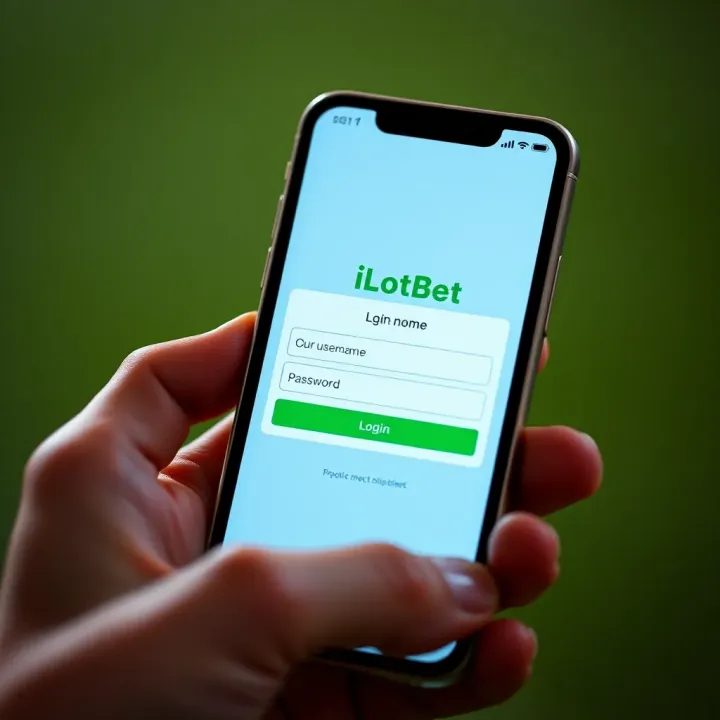
How to Access and Register on Old Mobile iLotBet
🔑 Learn how to access and register on old mobile iLotBet with ease. Step-by-step guide covering login, sign-up tips, and tackling common challenges for Nigerian users.
Edited By
Charlotte Davies
Old Ilotbet holds a unique place in Nigeria's history, tracing back to traditional systems that combined gambling, community trust, and informal financial exchanges. It thrived long before modern betting platforms came to Nigeria, operating mainly through word-of-mouth within local communities.
At its core, Old Ilotbet was a form of lottery rooted deeply in social and cultural practices. Unlike today's online betting sites, it involved physical gatherings where players would buy tickets or place bets based on numbers drawn from local events or cultural cues. This system reflected not only a pastime but also a collective economic activity where winnings often circulated back into the community.
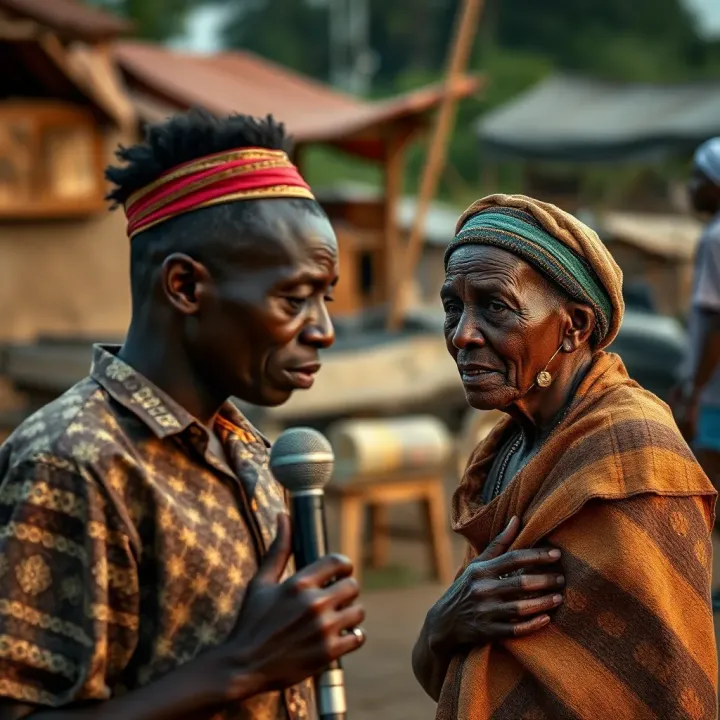
The popularity of Old Ilotbet surged between the 1960s and 1980s, especially in bustling city centres like Lagos and Kano. Market traders, students, and young professionals participated alike, viewing it as a way to earn quick money amid economic instability and fluctuating naira value. Many mothers running mama put stalls or drivers plying danfo routes often pooled resources to buy bets together, creating informal savings mechanisms.
However, limitations in regulation and the rise of more organised betting companies contributed to its gradual decline. Government crackdowns in the 1990s aimed to curb unlicensed betting, while telecommunication improvements and internet access in the 2000s shifted interest toward digital platforms such as Bet9ja and NairaBet.
Understanding Old Ilotbet helps reveal how Nigerians creatively built financial practices from cultural roots, blending trust and chance long before fintech came into the picture.
Three key points about Old Ilotbet:
Community-centred: Betting was a social event, fostering communal bonds beyond monetary gain.
Economic impact: It provided supplementary income streams during times of economic hardship.
Transition catalyst: Its decline paved way for regulated, tech-driven betting industries shaping Nigeria’s current gaming and sports betting landscape.
For young traders and tech enthusiasts, recognising Old Ilotbet’s legacy offers insight into the informal financial culture Nigerians have long navigated – a mindset that's very much alive in Nigeria's fintech and digital economy today.
Understanding the origin and background of Old Ilotbet sheds light on why it became a popular betting system in Nigeria. This section explores its historical roots and the communities that shaped its growth, helping readers appreciate its role in Nigerian society.
Old Ilotbet emerged decades ago, long before the rise of modern digital betting platforms like Bet9ja or NairaBet. It started as a simple, community-based betting system primarily in Lagos and parts of the South-West. Initially, Ilotbet served as an informal way for ordinary Nigerians, especially traders and market women, to gamble small amounts for potential quick gains. The system thrived where formal banking or licensed gambling options were scarce, making it accessible to many seeking financial relief or entertainment during off-hours.
The early years of Old Ilotbet coincided with Nigeria's oil boom in the 1970s, a period marked by increased cash flow but limited financial infrastructure for the average person. People wanted a chance to multiply little savings or winnings from local activities like football matches or political events. Ilotbet met this need by allowing easy entry without the barriers of licence or technology.
Old Ilotbet's success owes much to its grassroots nature. The system was run by local operators—often market traders, artisans, or popular community figures—who acted as intermediaries between the bettors and the betting outcomes. These operators, known in some areas as 'agents,' usually handled collections, payouts, and maintained trust within their immediate circles.
Communities in Lagos, Ibadan, and even some Northern towns embraced Ilotbet as part of their daily social and economic activities. For example, in bustling markets like Balogun in Lagos or Bodija in Ibadan, market traders would place bets during trading breaks, hoping to win enough to support their families or reinvest in goods. The communal aspect partly explains why Ilotbet hasn't been just about gambling but also social bonding.
The informal networks behind Old Ilotbet illustrate how local economies create financial alternatives suited to their realities, especially when formal systems fall short.
In summary, Old Ilotbet began as a practical betting solution driven by community demand and operated by trusted local agents. This origin story explains its deep embedment in Nigerian urban and rural life, setting the stage for its eventual evolution and legacy.
Understanding how Old Ilotbet worked in practice is key to grasping its role within Nigerian society. This betting system thrived because of its simple yet engaging methods, offering participants opportunities to win money through prediction and chance. It was popular among young professionals, market traders, and even sports fans, providing a familiar avenue for quick gains.

Old Ilotbet’s core mechanics were straightforward. Participants placed bets on various outcomes, often linked to local events or numbers drawn from daily life occurrences. Bet takers, usually informal operators, collected stakes from players, recording their predictions on paper or verbal agreements. The system relied heavily on trust and community relationships, as centralised regulation was largely absent.
For example, a market trader might bet on the number of okada riders passing through a particular junction during peak hours. If the bet matched reality or a previously agreed number, the winner would receive a multiple of their stake. Payment and settlement generally happened immediately after the event, reinforcing transparency and quick feedback.
The betting games under Old Ilotbet reflected local tastes and events. Common bets included:
Number guessing games based on public happenings such as the number of buses (danfos) arriving in a specified timeframe.
Sports-related bets involving local football matches, where fans wagered on outcomes like final scores or first goal scorer.
Lucky draw predictions linked to everyday occurrences, such as the daily count of traders in a market or sales at a mama put.
More intricate bets sometimes involved combination predictions, demanding players to guess two or more related outcomes concurrently. These offered higher returns but required better knowledge or intuition.
The essence of Old Ilotbet lay in its accessibility. Unlike formal betting houses, it fit seamlessly into Nigerian social and economic life—requiring minimal setup, promoting immediate rewards, and fostering community interaction.
Many who participated found Old Ilotbet not only a source of extra income but also a way to engage with ongoing local realities. This practical aspect helped sustain its popularity until new digital betting platforms started to reshape the landscape.
In summary, Old Ilotbet functioned as a grassroots betting system built on simple mechanics, community trust, and culturally meaningful games. Its success hinged on blending local knowledge with straightforward betting formats, making it an important social and economic activity in many Nigerian settings.
Old Ilotbet played a significant role across both urban and rural settings in Nigeria, serving as more than just a betting system. In cities like Lagos and Kano, it became a common pastime among young professionals and traders looking for quick ways to boost income during their hectic days. For example, market traders in Lagos's Balogun Market often engaged in Ilotbet to break the monotony of trading and supplement their earnings with small bets placed during market breaks.
In rural communities, Old Ilotbet was woven into social gatherings, providing a platform for communal interaction. Villagers would gather around a local 'baba' or operator after farm work to exchange stories, share bets, and build camaraderie. This created a space where social bonds were strengthened, and information circulated widely, acting as a kind of informal news and social hub.
Old Ilotbet connected deeply with Nigerian local customs and entertainment culture. It was often linked with events such as market days, wedding ceremonies, and festive gatherings like Christmas or Sallah. These events were not just celebrations, but opportunities where betting was part of the fun, blending traditional entertainment with an element of chance.
Moreover, traditional music and dance sometimes accompanied betting sessions, making the activity more engaging. In Igbo communities, for instance, Old Ilotbet could be part of masquerade festivals where spectators placed bets on the best performance, blending cultural expressions with economic activity.
This connection extended to sports, especially football, which has been Nigeria’s leading entertainment passion. Old Ilotbet offered informal football pools before formal sports betting platforms emerged. This allowed fans to stay involved and excited about matches even without digital access.
Old Ilotbet did more than serve as gambling; it strengthened social ties and brought excitement to daily Nigerian life, offering practical economic opportunities and ensuring its place in community traditions.
By bridging work, play, and culture, Old Ilotbet was integral to Nigerian society in ways that went beyond monetary gains. Its legacy still influences how people engage with modern betting and social interaction today.
Old Ilotbet played a significant role in Nigeria's informal economy, providing income and economic engagement for many people across urban and rural areas. This betting system was especially crucial for market traders, okada riders, and small-scale entrepreneurs who often faced limited formal economic opportunities. For instance, some market women supplemented their daily earnings by participating as agents or bettors, turning Old Ilotbet into a livelihood lifeline.
Moreover, Old Ilotbet generated cash flow that circulated within local communities. Rather than money vanishing into grander commercial systems, it stayed largely among ordinary Nigerians. The use of cash in transactions also increased demand for small denomination notes, indirectly supporting informal financial activities like savings groups and credit cooperatives common in many Nigerian towns.
Despite its benefits, the informal nature of Old Ilotbet carried multiple challenges, ranging from financial risks to complex legal issues.
Old Ilotbet is a classic example of a grassroots economic practice that supported survival in environments where formal jobs are scarce. Agents who ran betting booths often invested little capital but could earn steady commissions. This arrangement allowed individuals, including youths and women, to build micro-enterprises with relatively low barriers to entry.
The betting activities fostered pockets of economic vibrancy around markets, transport hubs, and social gathering points. Revenues earned were frequently reinvested locally—buying foodstuff from mama puts or paying for danfo rides. This localised circulation helped uphold informal economic ecosystems that kept many families afloat, especially during Nigeria's recurrent recession seasons.
While Old Ilotbet contributed economically, its informal status exposed participants to notable risks. The lack of official regulation meant bettors and agents were vulnerable to unfair practices, fraud, and sometimes extortion. Unlike formal betting under the oversight of the National Lottery Regulatory Commission, Old Ilotbet operators worked outside the law, making dispute resolution difficult.
The Nigerian government periodically cracked down on unlicensed gambling due to concerns about revenue loss, money laundering, and social consequences such as addiction. However, enforcement often struggled because Old Ilotbet was deeply embedded in communities and flexible in its operations.
Recent years have seen efforts to regulate informal betting through digital platforms and licensing regimes. These monitors aim to protect consumers and improve tax revenues for the government. Still, many Nigerians remain wary given the cultural roots and accessibility of traditional betting methods like Old Ilotbet.
Overall, Old Ilotbet's economic impact is a story of balancing survival and risk within Nigeria's complex informal sector. Its legacy highlights the need for regulation that respects grassroots realities while promoting economic inclusion and consumer protection.
Old Ilotbet's popularity steadily declined due to several key factors that reshaped Nigeria’s social and economic environment. The rise of more structured and formalised betting options, such as state-licensed lotteries and football pools, offered bettors more security and trust. These alternatives, backed by official regulations, made informal systems like Old Ilotbet appear less reliable.
Besides regulation, the shift in consumer behaviour played a part. Increasing access to smartphones and the internet across Nigeria's urban and semi-urban areas steered young professionals and students away from traditional physical betting platforms toward digital ones. Also, growing awareness of risks surrounding informal gambling—including fraud and lack of consumer protection—discouraged many from participating.
The intricate local networks that supported Old Ilotbet gradually weakened as urban migration and economic pressures dismantled older community structures. Changes in community leisure and entertainment preferences, especially among the younger generation, further reduced the appeal of Old Ilotbet.
Despite its decline, Old Ilotbet has left a lasting imprint on Nigeria’s betting culture and financial social practices. Its intuitive models of local trust and peer-to-peer engagement can be seen mirrored in modern betting platforms like Bet9ja, NairaBET, and even fintech services such as PalmPay’s lottery features.
The core principle of Old Ilotbet—that many betters could pool small amounts collectively for potential big wins without institutional intermediaries—is echoed in today's syndicate betting and group staking systems. Importantly, this tradition helped shape the way informal credit and social trust operate in Nigeria’s urban markets.
Digital alternatives now integrate aspects that made Old Ilotbet successful, like simplicity, low entry costs, and community-based promotion. However, they add layers of transparency, security, and convenience thanks to online payment systems and regulatory oversight by bodies like the Nigerian Communications Commission (NCC) and National Lottery Regulatory Commission.
The legacy of Old Ilotbet is most visible in how it inspired a grassroots gambling culture that balances risk, trust, and reward—a formula now harnessed and professionalised in Nigeria’s booming online betting and fintech industries.
As Nigeria continues to expand internet penetration and digital literacy, the lessons from Old Ilotbet remain relevant. They remind us how local practices adapt and influence new economic spaces, even as technology changes the game. For young professionals and market traders alike, understanding this evolution sheds light on betting's complex role within Nigeria’s informal and formal financial landscapes.
🔑 Learn how to access and register on old mobile iLotBet with ease. Step-by-step guide covering login, sign-up tips, and tackling common challenges for Nigerian users.
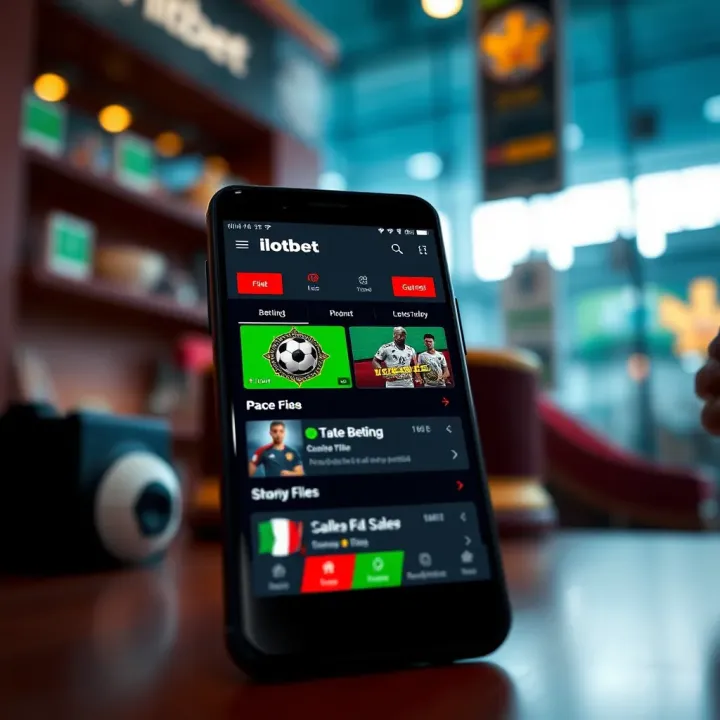
Discover how Ilotbet’s old mobile site works and explore Ilotbet shops across Nigeria 🏪. Get tips for safe, easy betting on the go or in person 💻📱.
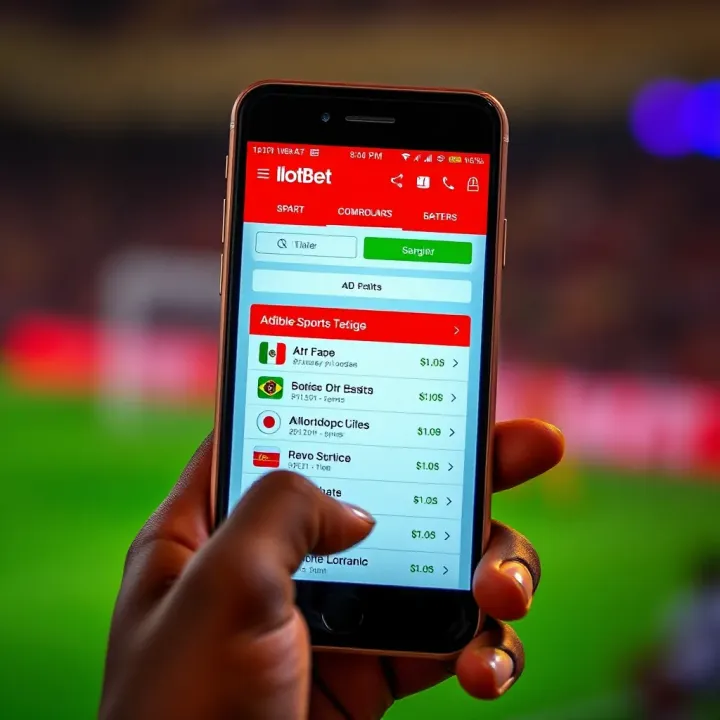
Explore Ilotbet's old mobile booking app 📱 in Nigeria 🇳🇬, its features, user experience, challenges, and how to switch smoothly to current betting platforms ⚽🎰

📱 Discover how to navigate Mlite Ilotbet old mobile login in Nigeria, avoid common access issues, learn security tips, and explore smooth alternatives for betting.
Based on 9 reviews